

 See My Latest Article on HelloNation
What is the difference between collision and comprehensive auto insurance?
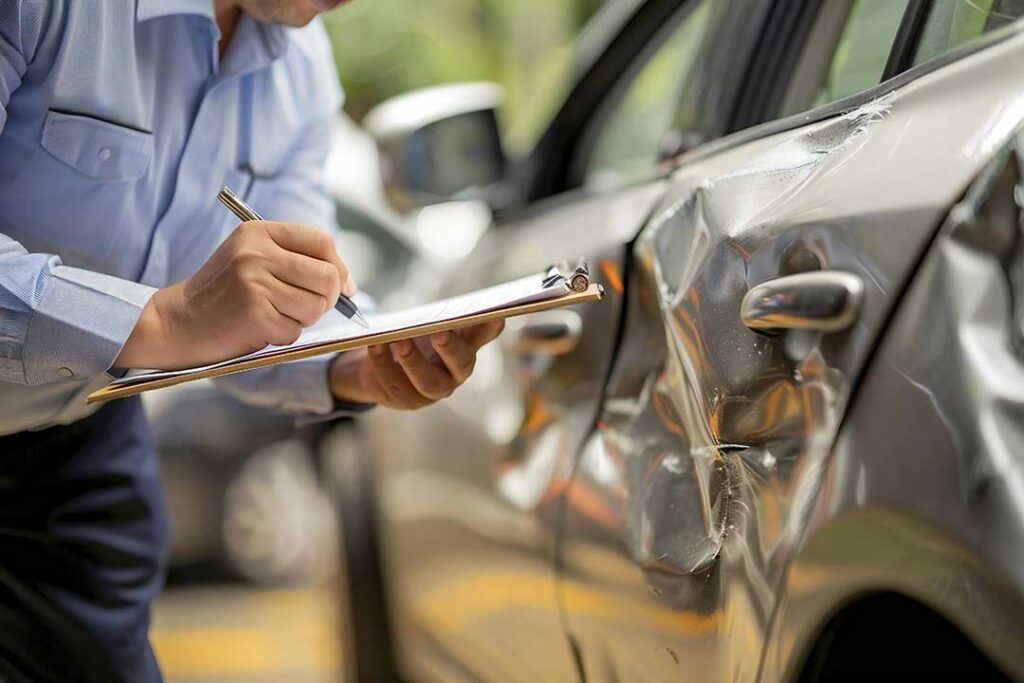
Collision coverage generally pays for damage to your vehicle caused by striking another vehicle or object, or when another vehicle strikes yours. Comprehensive coverage generally pays for damage caused by events other than a collision, such as theft, hail, falling objects, fire, vandalism, or flooding.
These coverages protect the vehicle itself. They are different from liability insurance, which pays for injuries or property damage a driver causes to other people when the driver is legally responsible.
Louisiana requires liability coverage for vehicles, but collision and comprehensive coverage are optional under state law. However, a lender or lease company may require both coverages until a vehicle loan or lease is completed.
What does collision insurance cover?
Collision insurance is designed for accident-related damage to the insured vehicle. It may apply whether the driver caused the crash or another driver was responsible, although the policyholder usually pays a deductible before the insurer pays the remaining covered repair cost.
Common collision claims include:
- Hitting another car at an intersection
- Striking a fence, guardrail, mailbox, or utility pole
- Losing control and hitting a ditch, tree, or other fixed object
- Damage from a single-vehicle accident
- A vehicle being struck while parked or stopped
Collision coverage usually does not pay for damage to another person’s vehicle. That responsibility generally falls under the at-fault driver’s property-damage liability coverage. Collision coverage also does not normally pay for medical bills, personal belongings inside the vehicle, or mechanical problems unrelated to an accident.
A collision claim can still be useful after an accident caused by another driver. The vehicle owner may choose to use personal collision coverage for repairs and allow the insurers to sort out responsibility afterward. Whether that choice is financially helpful depends on the deductible, the facts of the crash, and the available coverage from the other driver.
What does comprehensive insurance cover?
Comprehensive insurance covers many types of vehicle damage that do not result from the vehicle colliding with another object. It is sometimes called “other than collision” coverage.
Examples may include:
- Hail damage
- Theft or attempted theft
- Vandalism
- Fire
- Flooding or water damage
- Wind damage
- Falling trees, limbs, or other objects
- Damage caused by an animal
- Broken glass, depending on the policy and claim circumstances
For residents of Rayville, comprehensive coverage can be relevant during periods of heavy rain, strong thunderstorms, hail, high winds, and localized flooding. A vehicle does not have to be moving for comprehensive coverage to apply. For example, hail damaging a parked vehicle is generally treated differently from a vehicle striking a fallen tree while driving.
Coverage details vary. Some policies include glass damage under comprehensive coverage, while others apply a separate glass deductible or special conditions. Damage caused by flooding may also depend on the policy’s definitions, exclusions, and the specific circumstances of the loss.
Which coverage applies in common situations?
The type of damage usually determines whether collision or comprehensive coverage may apply.
| Situation | Coverage that may apply |
|—|—|
| Vehicle hits another vehicle | Collision |
| Vehicle hits a tree or fence | Collision |
| Hail dents the hood or roof | Comprehensive |
| Vehicle is stolen | Comprehensive |
| Tree limb falls on a parked vehicle | Comprehensive |
| Vehicle slides into a ditch | Collision |
| Animal runs into the vehicle | Usually comprehensive |
| Vehicle is damaged by rising water | Usually comprehensive |
| Someone intentionally scratches the vehicle | Comprehensive |
These are general guidelines rather than guarantees. The policy language, deductible, exclusions, and damage investigation control the claim decision.
Do drivers need both collision and comprehensive coverage?
Many vehicle owners carry both because the coverages address different risks. Collision protects against crash damage, while comprehensive protects against many environmental, theft-related, and non-collision losses.
Carrying only one may leave a significant gap. For example, comprehensive coverage alone would generally not pay for damage after a driver backs into a post. Collision coverage alone would generally not pay if the vehicle is stolen or damaged by hail.
A vehicle owner may decide not to carry one or both coverages when the vehicle has a low market value, the annual premium is high compared with the vehicle’s value, or the owner can comfortably pay for repairs or replacement. That decision requires comparing the vehicle’s actual cash value with the premium and deductible.

A vehicle with a loan or lease may not qualify for this choice because the lender or lease company commonly requires physical-damage coverage.
How do deductibles work?
A deductible is the amount the policyholder pays toward a covered loss before the insurer pays the rest. Collision and comprehensive coverage commonly have separate deductibles.
For example, if covered collision repairs cost $4,000 and the collision deductible is $500, the policy may pay approximately $3,500, subject to policy terms. If hail damage costs $1,000 and the comprehensive deductible is $250, the policy may pay approximately $750.
A higher deductible often lowers the premium, but it also increases the amount needed after a claim. The right amount depends on the household budget and how much could be paid quickly after an accident or storm.
It is also useful to check whether deductibles apply per vehicle, per claim, or under special glass provisions. A policy declaration page usually lists the applicable amounts.
Does comprehensive cover personal items inside a vehicle?
Usually, comprehensive coverage applies to the vehicle rather than personal property inside it. If a laptop, tools, luggage, or other belongings are stolen from a vehicle, coverage may instead depend on a homeowners, renters, or other personal property policy.
That coverage can have different deductibles, exclusions, and limits. The vehicle policy may cover damage from a forced entry, such as a broken window, while a separate policy may address the stolen belongings.
What happens if the vehicle is a total loss?
If repair costs are too high compared with the vehicle’s value, the insurer may declare it a total loss. In that situation, payment is generally based on the vehicle’s actual cash value, less the applicable deductible and any other valid adjustments.
Actual cash value is not necessarily the original purchase price, remaining loan balance, or amount the owner hopes to receive. It is usually based on the vehicle’s condition, age, mileage, equipment, and comparable market information.
If a loan balance exceeds the vehicle’s value, collision or comprehensive coverage may not pay the entire loan. Optional gap coverage may address some of that difference, but it is separate from both collision and comprehensive insurance.
What should Rayville residents review before choosing coverage?
A practical policy review should include:
- The deductible for collision and comprehensive claims
- Whether the vehicle’s current value justifies physical-damage coverage
- Whether a lender or lease requires both coverages
- How hail, flooding, wind, theft, and animal damage are defined
- Whether glass claims have special rules
- Whether personal belongings are excluded from the auto policy
- Whether rental-car or towing coverage is included separately
- How a total-loss settlement would affect an outstanding loan
After severe weather, photographs of the vehicle and surrounding conditions can help document what happened. Damage should be reported promptly, and unsafe vehicles should not be driven until they have been inspected.